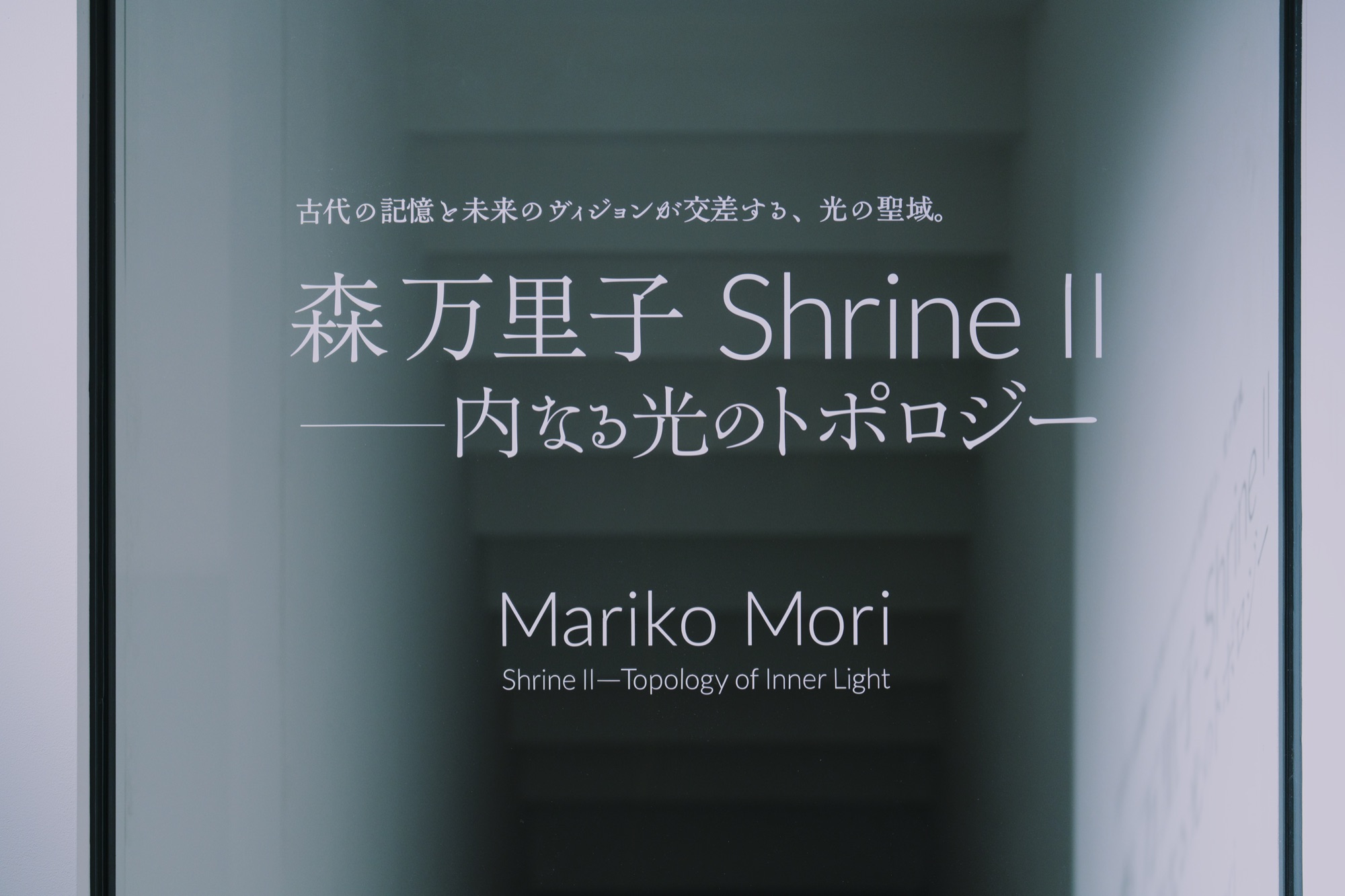

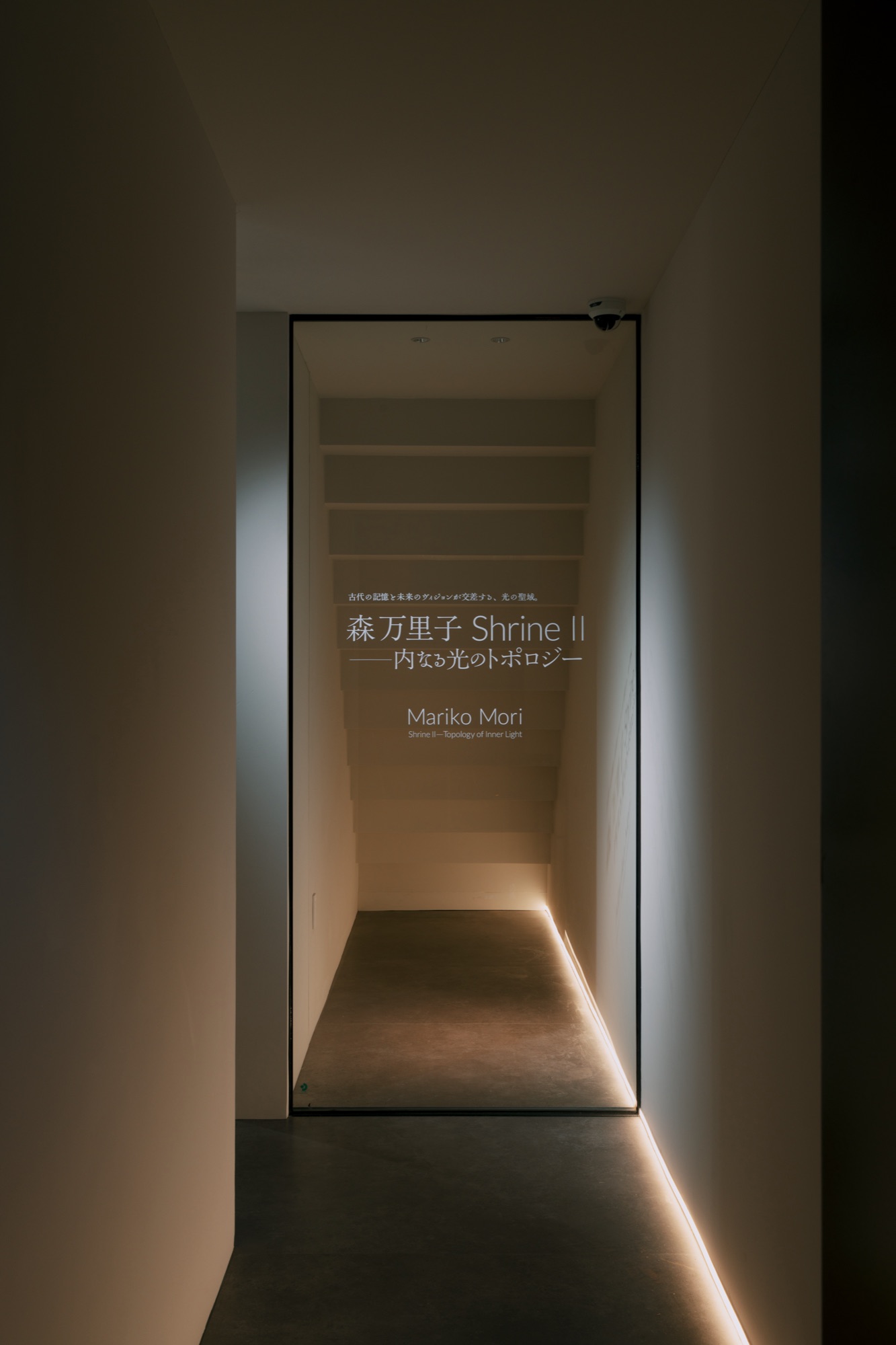
Mariko Mori Exhibition: Shrine II ——The Topology of Inner Light

Artist: 森万里子| Mariko Mori

Statement

Amidst the profound divisions and anxieties of contemporary society, we find ourselves confined in the solitary cage of the “individual.” Through her own experience of overwhelming light ̶ radiating across every dimension of existence as the fundamental love of life ̶ artist Mariko Mori quietly awakens the profound sense of unity to which al life is inherently connected.

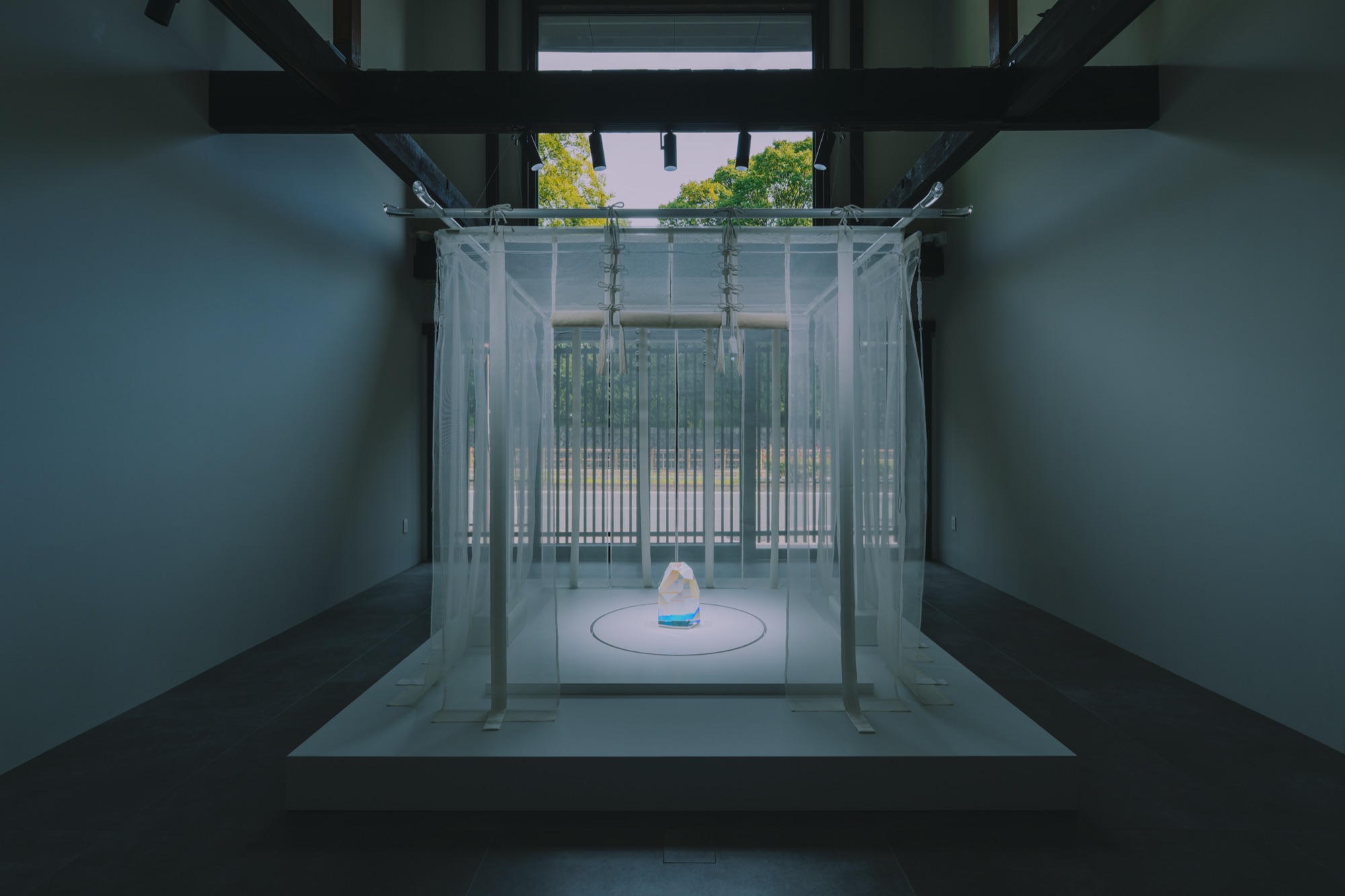
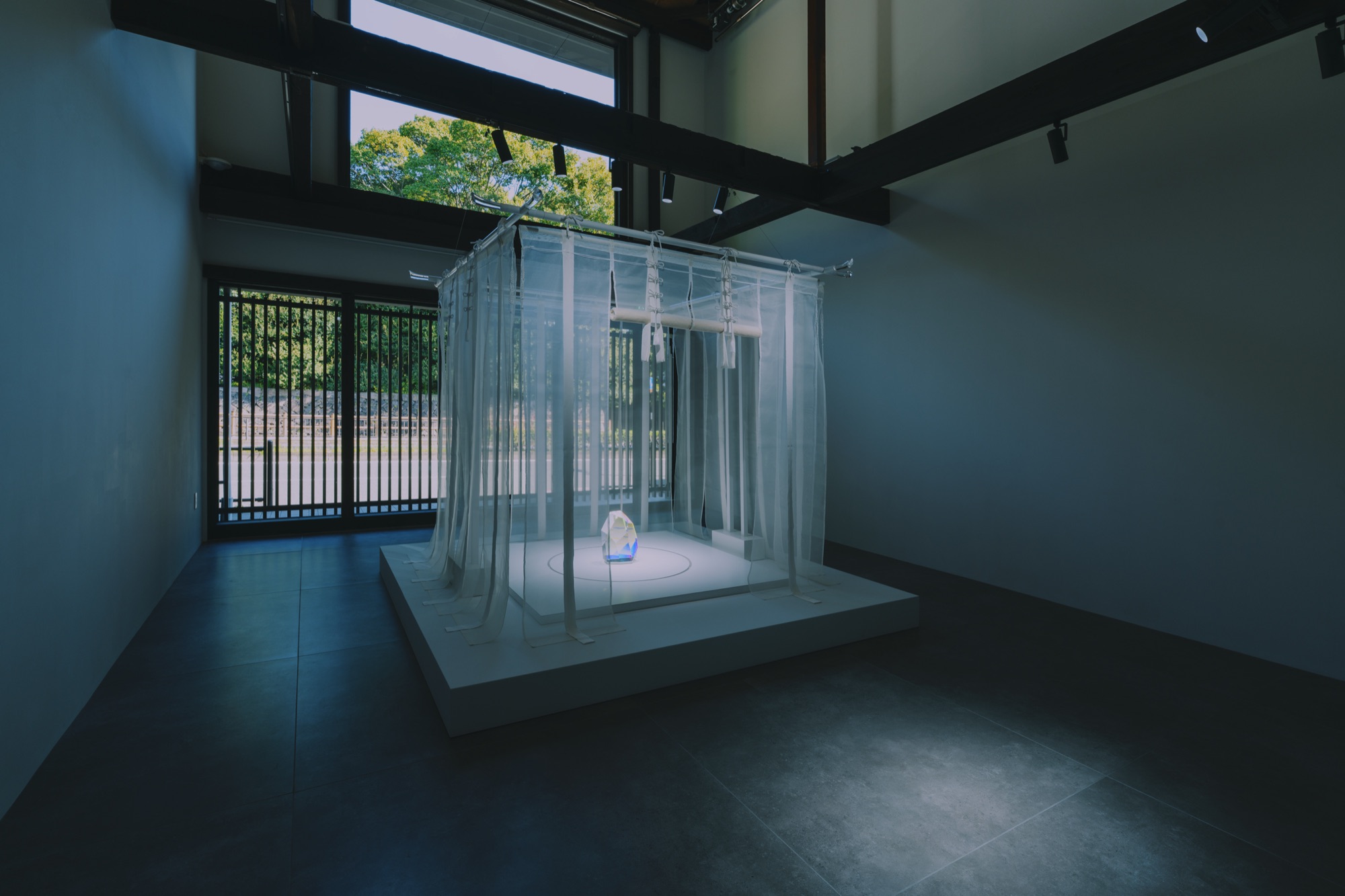
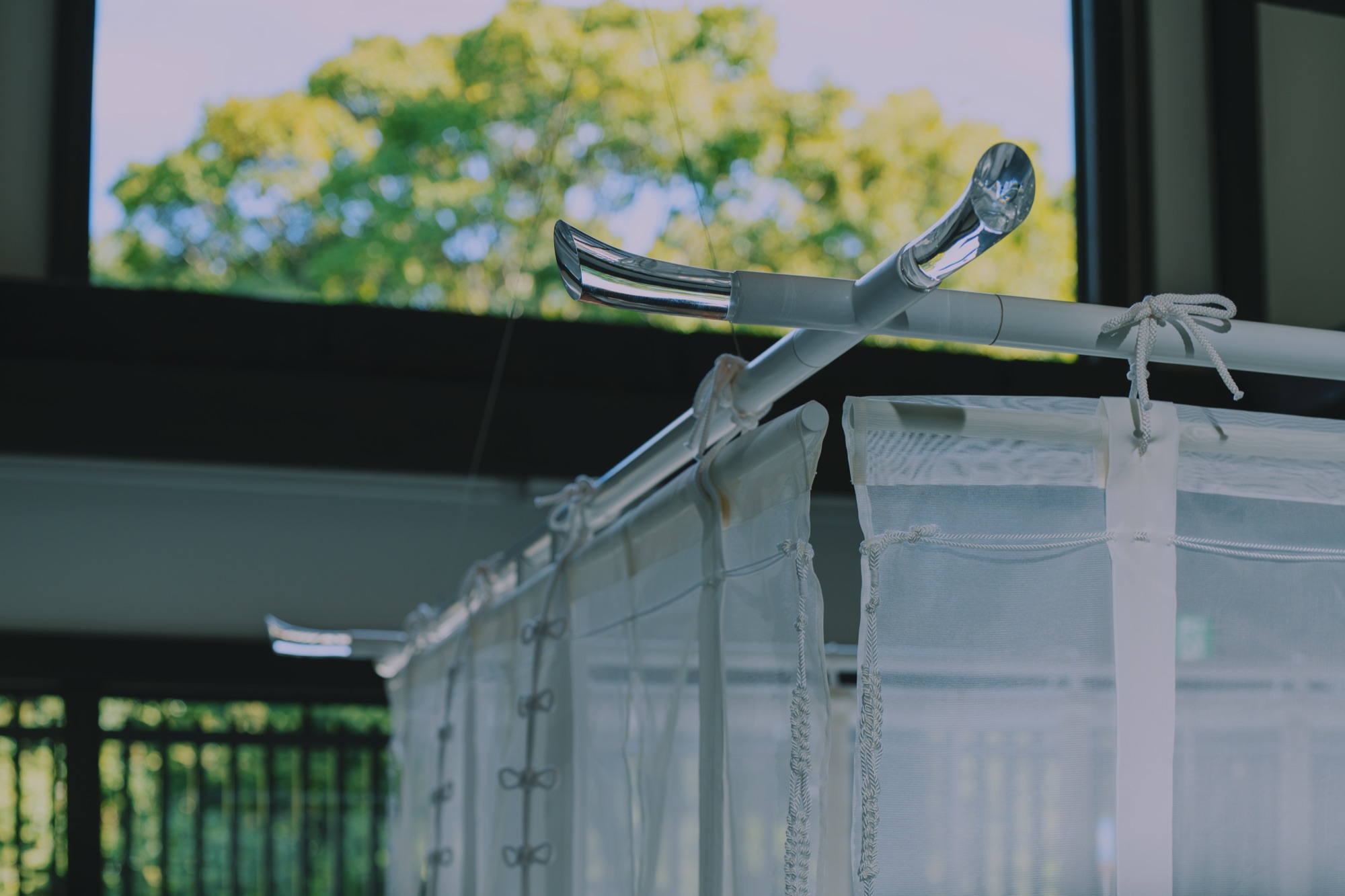
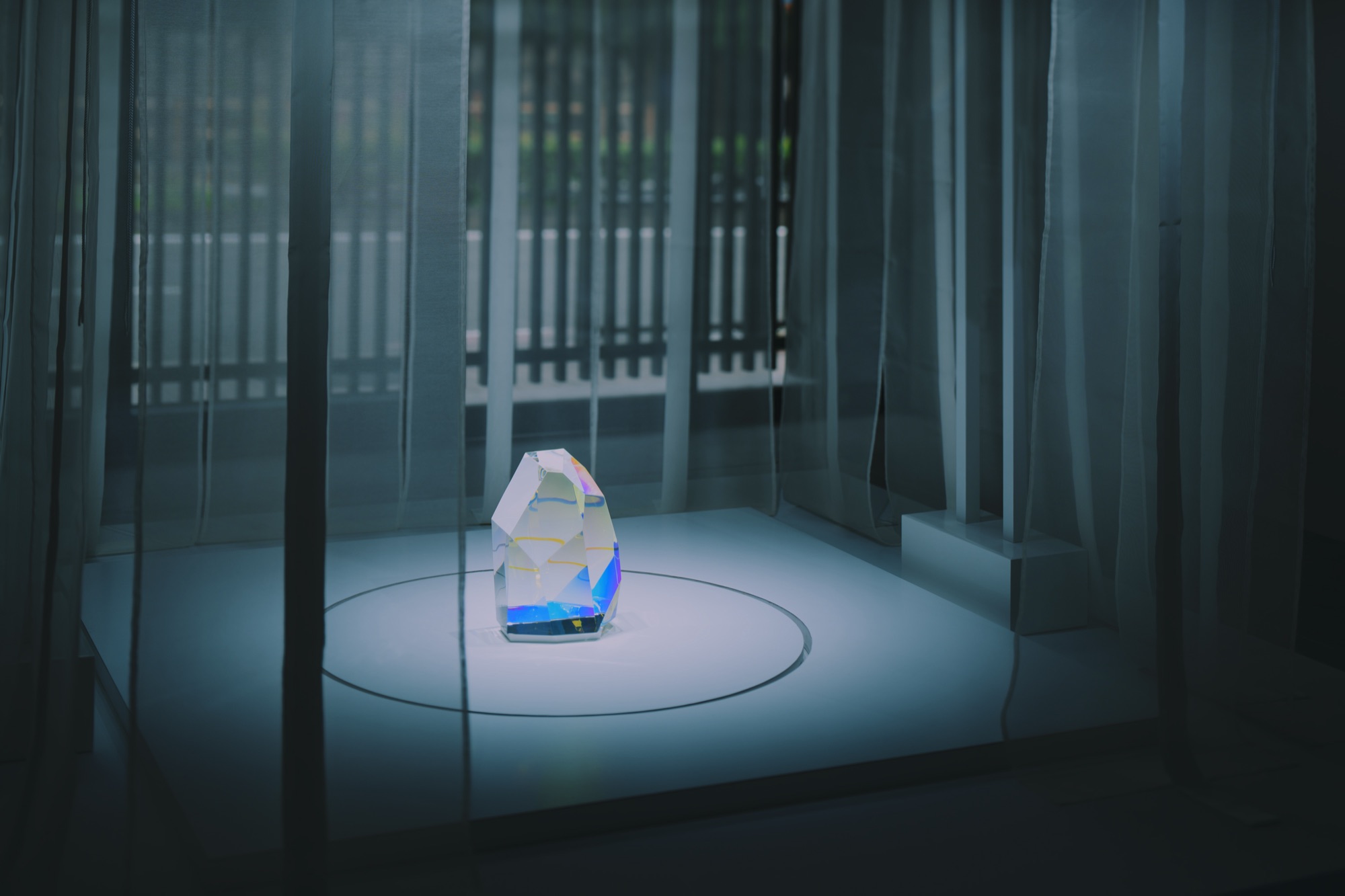
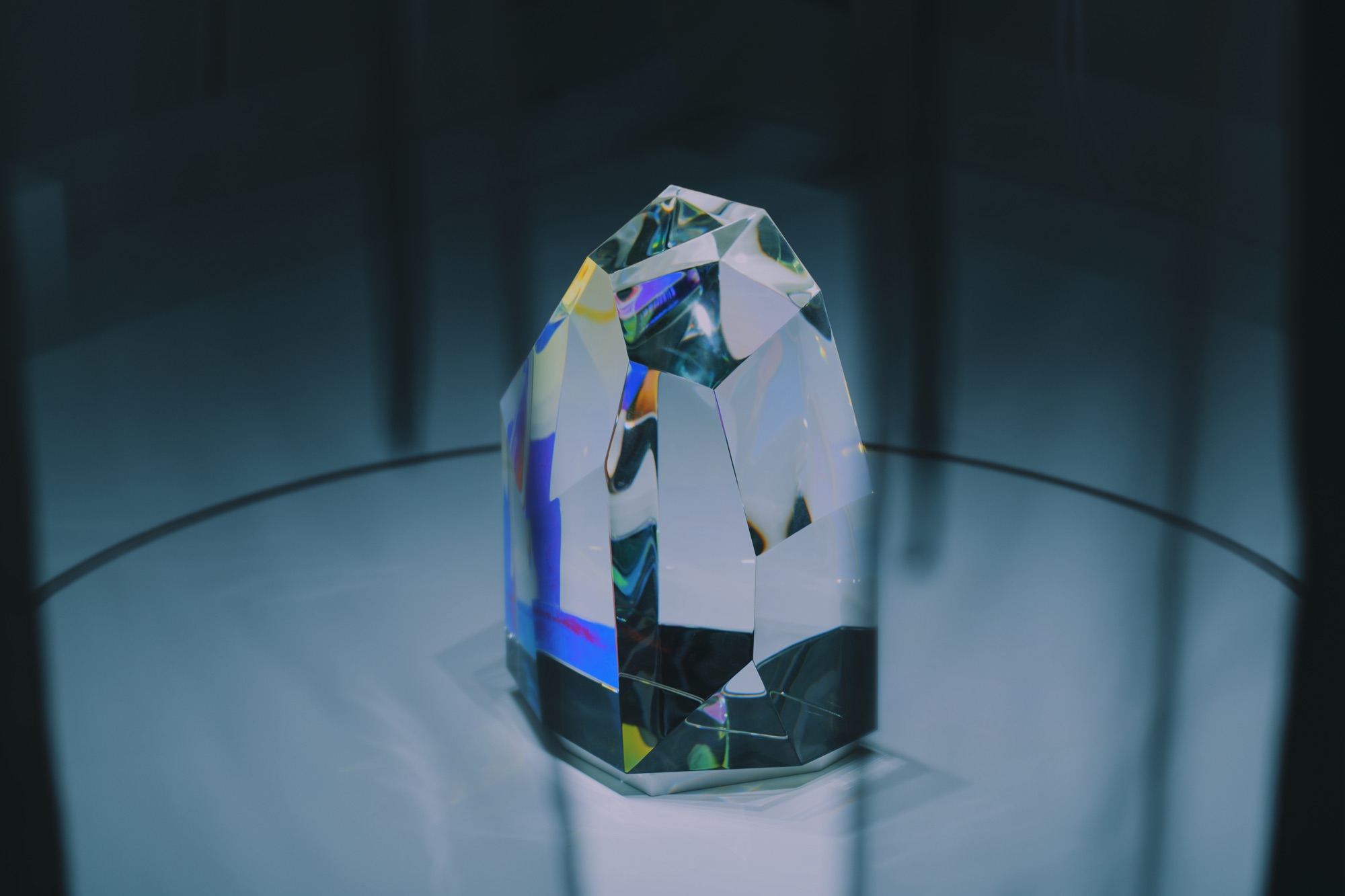
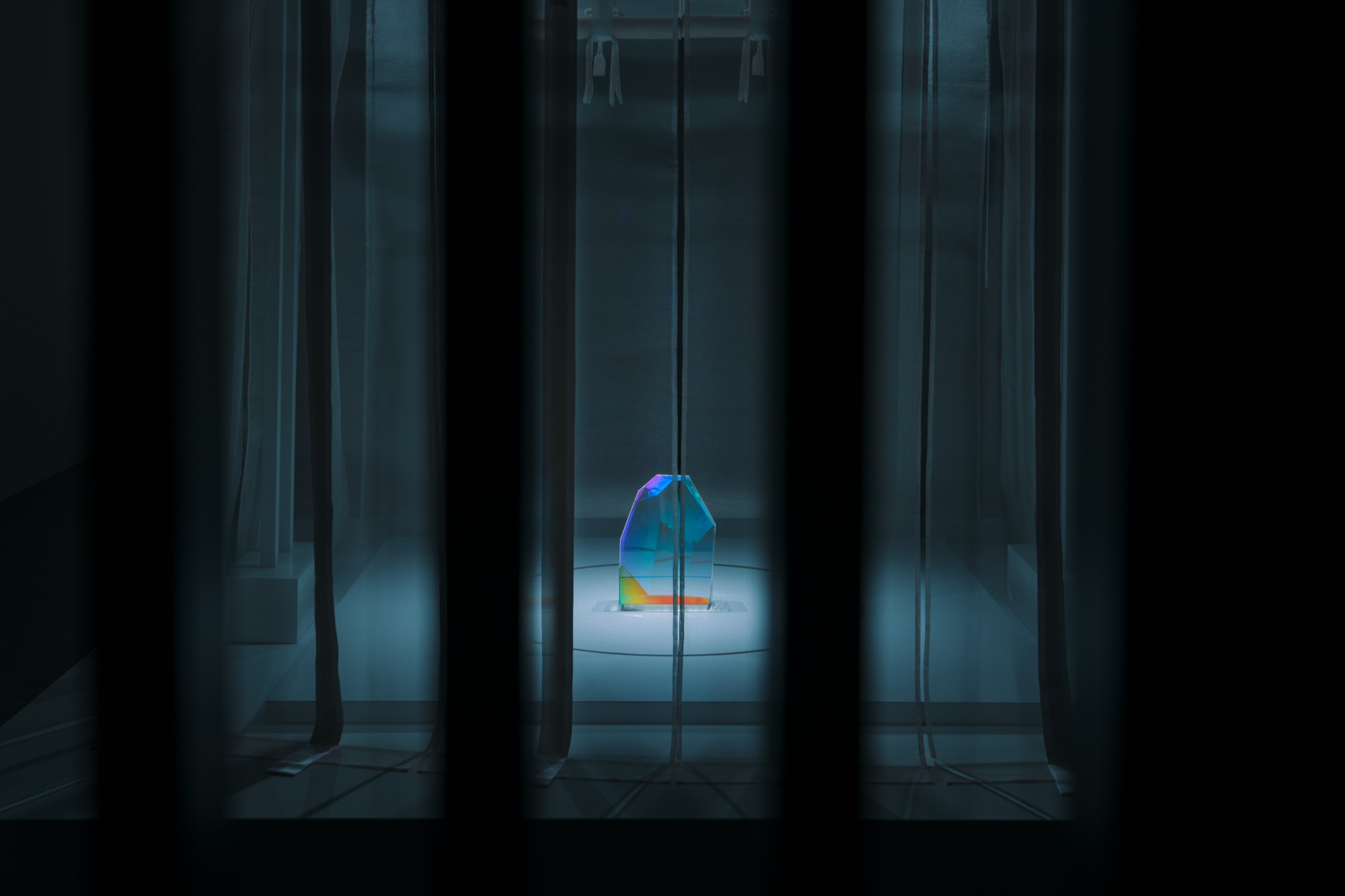
The core of this exhibition, Shrine I, is an homage to the sacred iwakura (sacred rock) enshrined beneath the floor of Mizutani Shrine, a sessha (auxiliary shrine) of Kasuga Taisha. It is an instalation featuring a crystal iwakura placed at the center of multiple layers of kichō ̶ the silk curtain-partitions of the Heian court. Transposing the sanctity of the Mizutani River, revered since ancient times as a sacred site of Dragon God worship, into the space of Time Do, this work visualizes the “network of relations” that links the visible material world with the spiritual realm behind it.

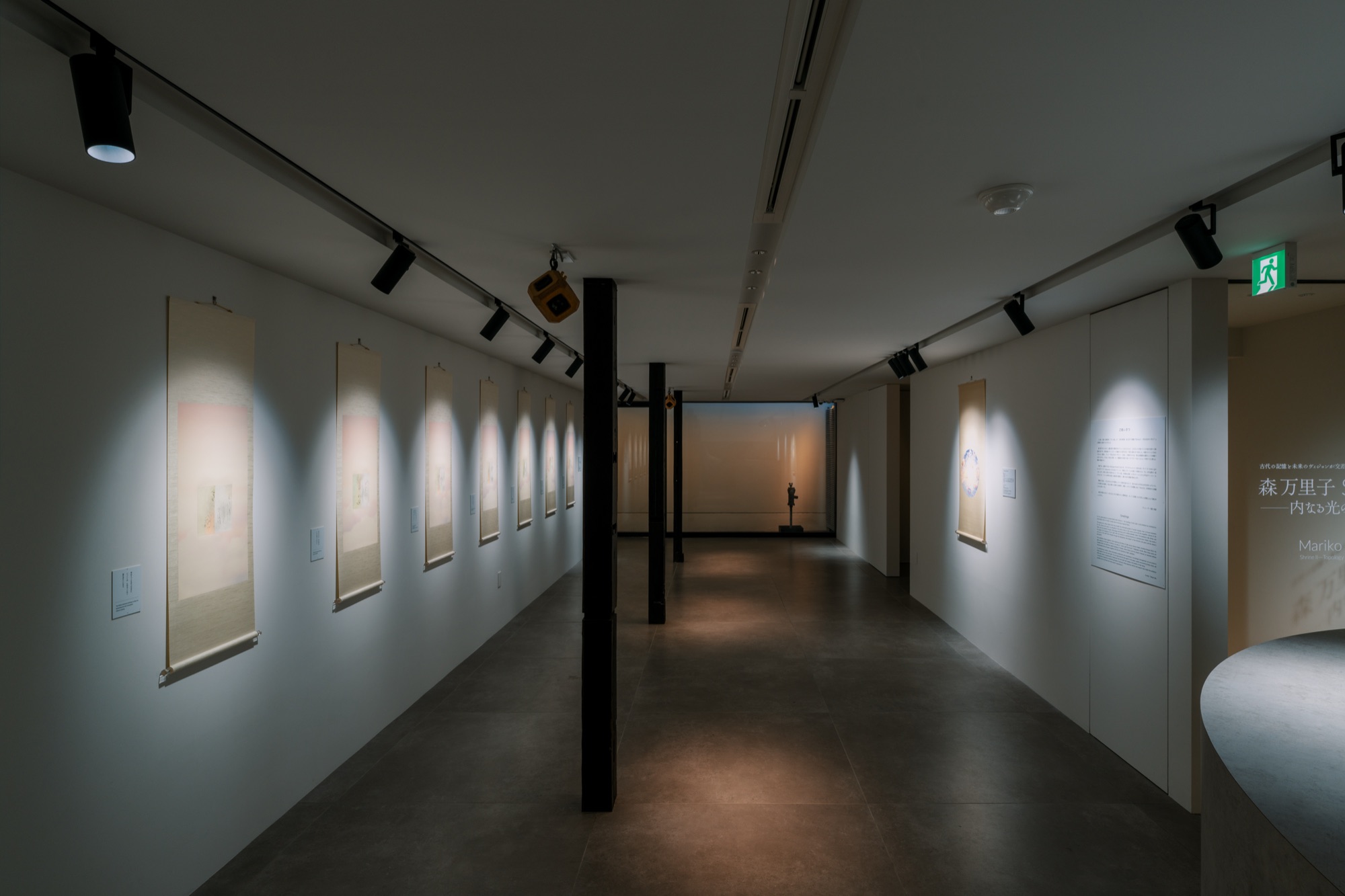
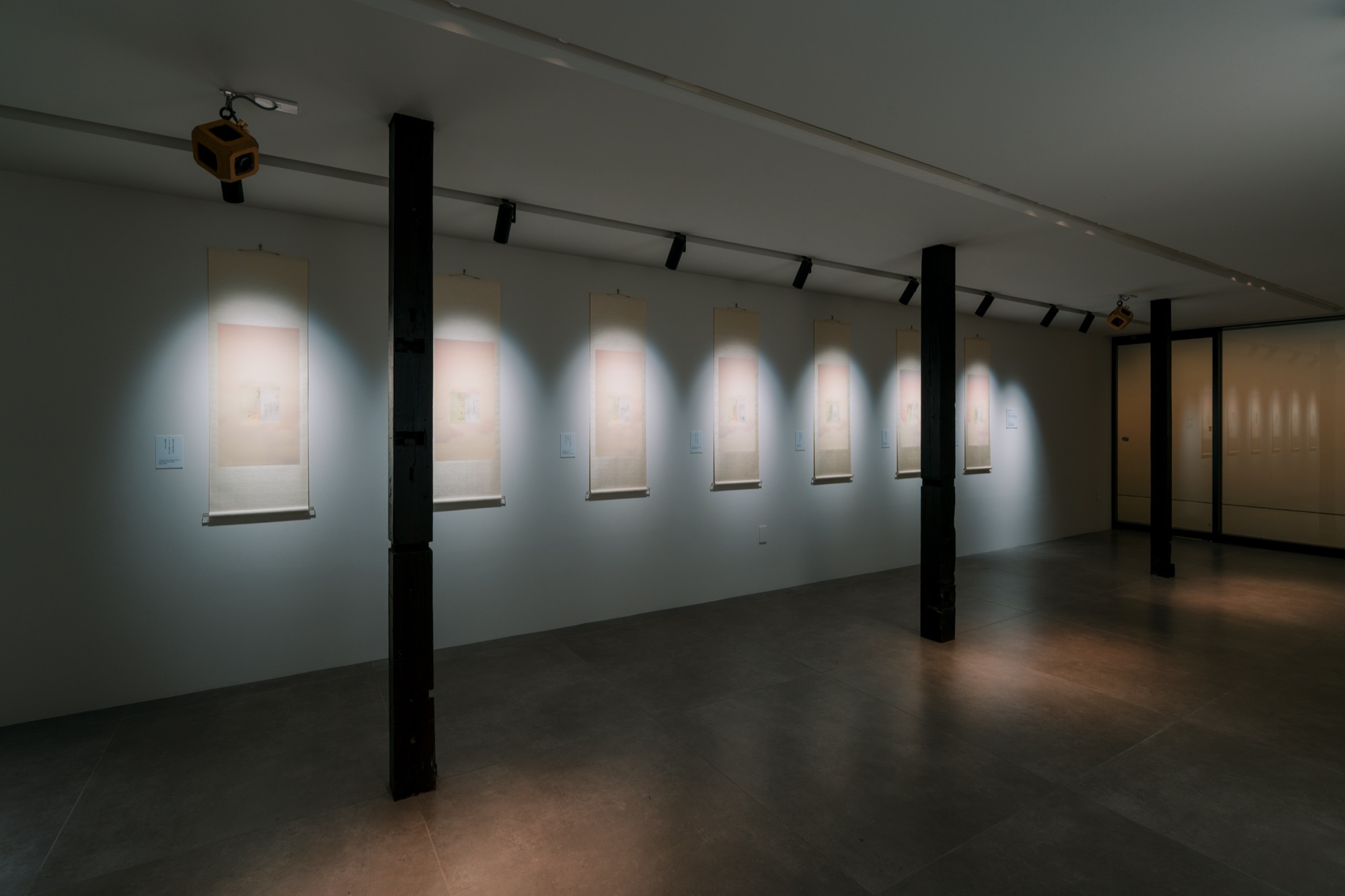
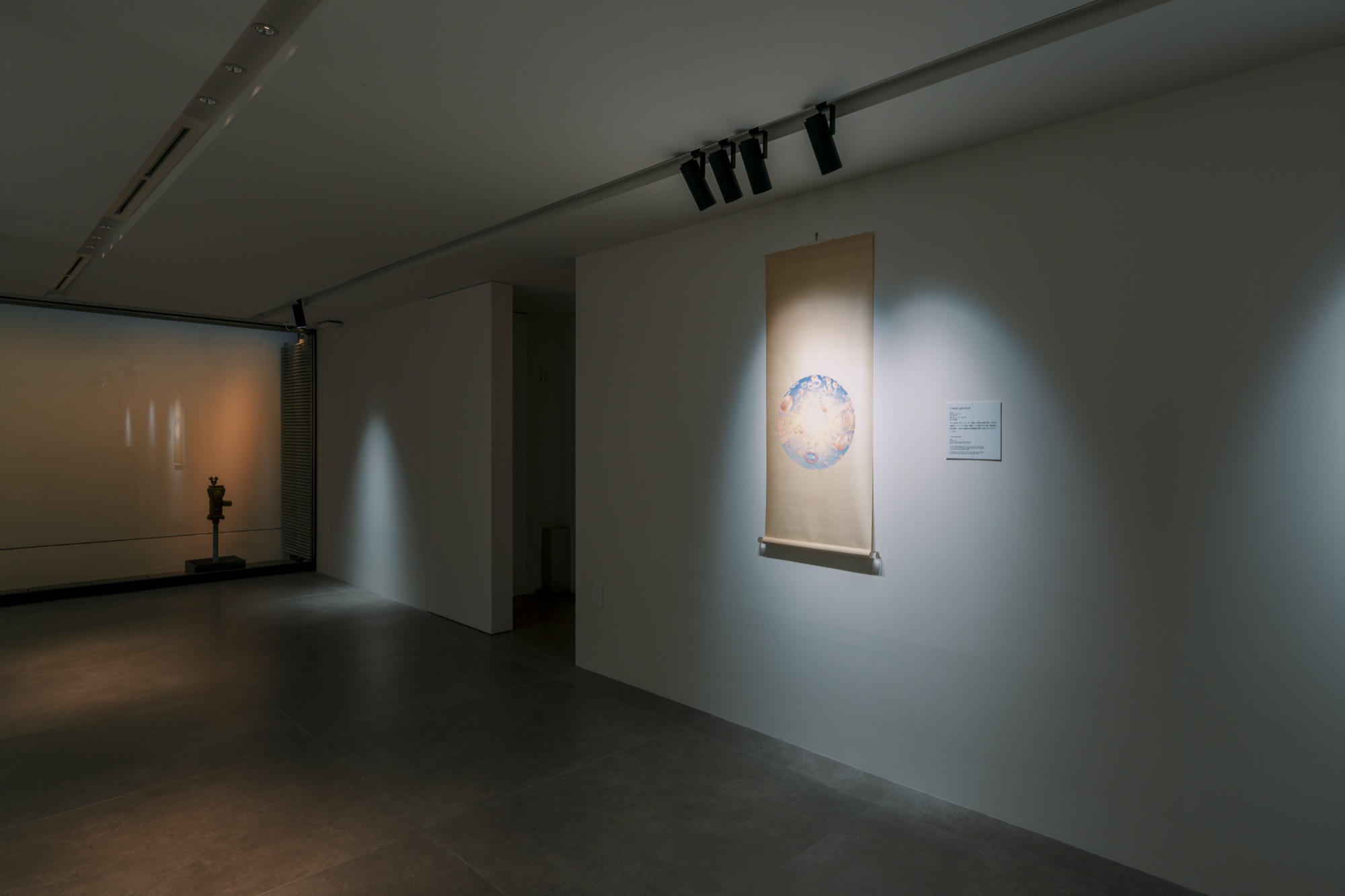
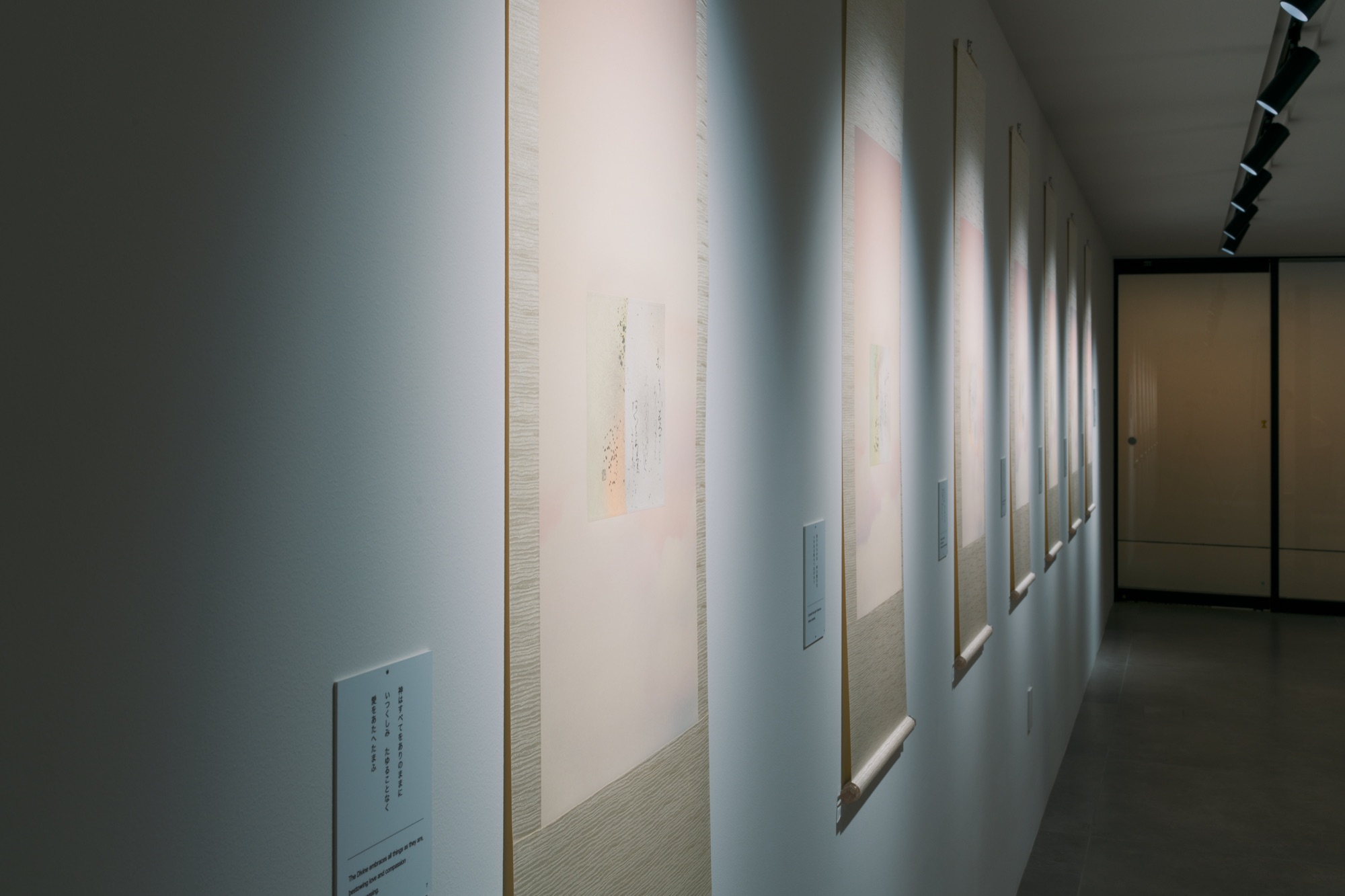
Surrounding the instalation are seven hanging scrols, upon which the artist’s own memories of experiencing light are transcribed as kotobagaki ̶ prefatory inscriptions ̶ yielding to the breath of Heian kohitsu, the classical caligraphy of that age. Moving beyond written characters as mere signs for conveying meaning, the faint tremor of the brushline and the gradations of ink transmit the very pulsation of life. If I may offer a curator’s personal view: within this continuous succession of brushstrokes, one might also discern the gentle flow of profound, uninterrupted time.

In an era facing invisible, colossal anxieties and environmental crises, the “sanctuary” Mori presents is not a mere escape from the everyday. It is an essential and profound artistic practice for returning to the quiet light that abides within each of us and rediscovering the eternal bonds of the soul.
Artist

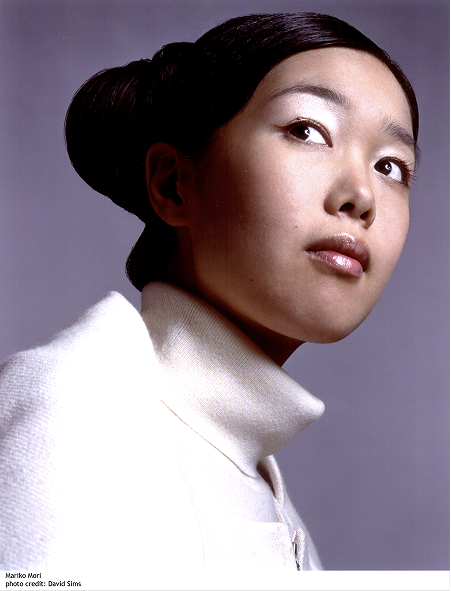
Mariko Mori

An internationaly acclaimed multidisciplinary artist, Mariko Mori is known for her work exploring fundamental questions of existence and examining the relationship between humanity and the universe. Her large-scale public artworks merge advanced technology with ancient symbolism, evoking spiritual connections and ecological awareness. By combining spiritual exploration with a futuristic aesthetic, Mori envisions a harmonious relationship between nature, humanity, and technology.

She gained international recognition with her immersive instalation Wave UFO (2003), which was exhibited at major art institutions worldwide, including Kunsthaus Bregenz and the 51st Venice Biennale. Her solo exhibition Oneness, which toured Europe, South America, and Asia between 2007 and 2011, attracted a total of 538,328 visitors at the Centro Cultural Banco do Brasil in Rio de Janeiro in 2011, making it the most visited contemporary art exhibition in the world that year.

Mori has held solo exhibitions at renowned museums and institutions around the world, including the Royal Academy of Arts (London, 2012), Japan Society (New York, 2013), Museum of Contemporary Art Tokyo (2002), Centre Pompidou (Paris, 2000), Brooklyn Museum (New York, 1999), and Museum of Contemporary Art Chicago (1998). Her works are also held in the permanent colections of major institutions, including the Museum of Modern Art (MoMA) and the Solomon R. Guggenheim Museum in New York.

In 2025, her public sculpture Cycloid III was unveiled at Expo 2025 Osaka, Kansai, Japan, while her work Peace Crystal was exhibited at the Women’s Pavilion.

Photo by David Sims

Composition

This exhibition transforms the entire galery into a “sacred space” that opens our perception, created through the resonance between the three-dimensional instalation at the core and the hanging scrols surrounding it on the wals.

1. Shrine II ̶ An Interface to Cosmic Unity

The three-dimensional instalation Shrine II, the core of the exhibition, is constructed as an homage to the sacred iwakura where historical memories reside. A crystal iwakura is placed at the center of multiple layered kichō partitions. Transposing the sanctity of a place revered as a sacred site since ancient times to the space of Time Do in Kyoto, this work is a harmonious intersection between ancient nature worship and sophisticated contemporary sculpture. The briliance of the crystal, which reflects and refracts countless rays of light, and the gentle stirring of the kichō, bring the energy of unseen dimensions in to presence, quietly connecting the viewer’s consciousness to a deep spiritual network.

2. Seven Hanging Scrols ̶ Brushstrokes of Life’s Pulse

Seven hanging scrols are exhibited around the perimeter of the space. Yielding to the breath of Heian kohitsu, the classical caligraphy of that age, the artist’s own memories of experiencing light are transcribed as kotobagaki. This is an expression that moves beyond written characters as mere signs for conveying information, returning them instead to profound time and the pulsation of life through the faint tremor of the brushline and the gradations of ink. In natural light that shifts with the passing hours, the space woven by washi (Japanese paper) and ink quietly resonates with the inner memories of the viewer.

Context

A Space Linking the “Everyday” and the “Eternal”

Time Do in Kyoto is a place where the multi-layered nature of history and the breath of people’s lives intersect. The emergence of Mariko Mori’s Shrine II in the very midst of this uniquely layered space is what gives the exhibition its decisive significance.

The “sanctuary” presented here is not an extraordinary art space severed from the outside world. Placed within the privileged historical and geographical context of Time Do, which stands before the Kyoto Imperial Palace, it acquires a quiet inevitability. The memories of this land, which has absorbed a milennium of accumulated time and human activity, resonate deeply with the ancient spirituality inherent in Mori’s Shrine II.

The sacred light is by no means a concept of the distant beyond; it abides unmistakably within a history that is continuous with the everyday life of this city. With the site of Time Do̶where the green shade of the Imperial Palace grounds and contemporary time intersect ̶ acting as a medium, the artwork seeps quite naturaly into the viewer’s “inner light,” emerging as an intimate experience that quietly reconnects the self with the world.

Overview

Dates:
Friday, November 6, 2026 ‒ Sunday, February 21, 2027

Preview:
Thursday, November 5, 2026

Opening hours:
11:00-18:00

Closed on Mondays

Curator:
Takayo Iida

Organized by:
Timedo Gallery

Related Information:
Mariko Mori: All That Shines will be held at the Mori Art Museum starting October 30.

Press Release

Announcement of the Opening Exhibition at Timedo Gallery
Mariko Mori: Shrine II — The Topology of Inner Light

Connect

Instagram :  @timedogallery
Facebook :  @TimeDoGallery
X :  @timedogallery